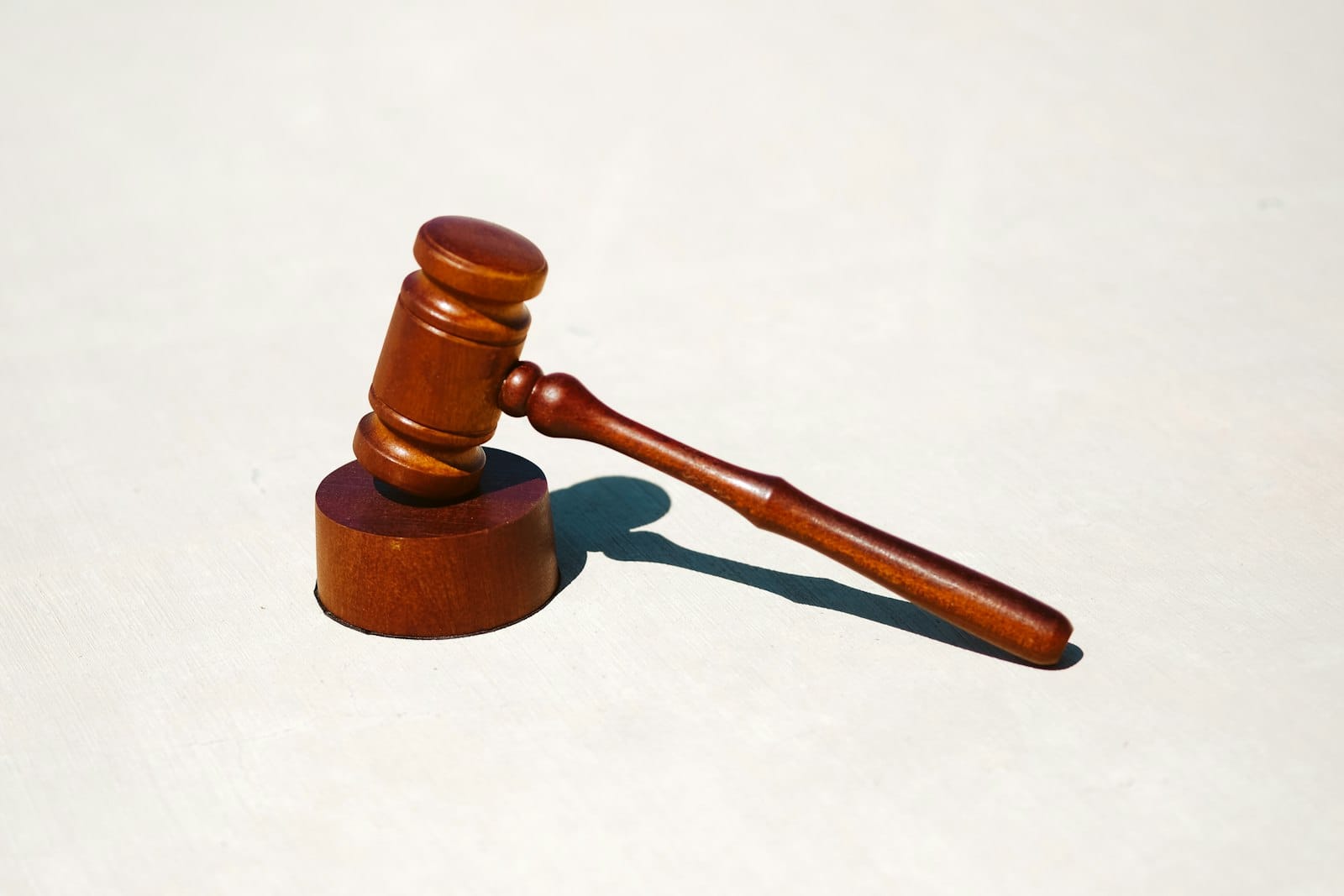
Elon Musk’s AI company wanted the women suing it over alleged Grok sexual deepfakes to take their case to Fort Worth, Texas. On Monday, 28 September, a federal judge in San Jose said no, calling the Texas-only clause in X’s terms of service “highly substantively unconscionable” and refusing to pause the proposed class action either.
So the case, Doe v. SpaceXAI Corp, stays in California, where four plaintiffs using pseudonyms are accusing the company of building a chatbot that, in the words of the complaint, “humiliates and sexually exploits women and girls”. In this week’s edition of “Billionaire Tries to Pick His Own Referee”, the referee declined.
What the judge actually ruled
US District Judge P. Casey Pitts of the Northern District of California turned down two requests from SpaceXAI (the new name for xAI since SpaceX swallowed it earlier this year): a transfer to the Northern District of Texas, and a stay of proceedings, Law360 reported. The company had argued the case should be paused while related criminal investigations play out, according to KQED.
The Texas bid leaned on X’s terms of service. xAI told the court that three of the plaintiffs had clicked a “Got it” button on an update notice, twice each, and kept using their accounts, which the terms treat as consent. Pitts was unmoved. Under California law, a clause can be struck if it is both procedurally and substantively unconscionable (lawyer-speak for “you had no real choice” and “the deal is grotesquely lopsided”). He found both.
On the procedure side, the forum clause sat “towards the end of the terms of service, in the middle of the second paragraph”, which the judge described as precisely the kind of term hidden in a prolix printed form. On substance, users had to sue only in Tarrant County, Texas, while the company kept the right to sue anyone, anywhere in the country. SpaceXAI offered “no business-related justification” for that asymmetry. A tidy system, as long as you never have to explain it to a judge.
Why Texas, of all places
X has told users to sue it in north Texas since November 2024, a district that does not include Bastrop, where the company is actually based. Fort Worth’s small federal bench includes Judge Reed O’Connor, who has presided over two Musk-related suits and whose 2023 financial disclosure showed Tesla stock, KQED noted. Santa Clara University law professor Eric Goldman put it bluntly to the outlet: “Basically they’re doing a form of judge shopping.”
In fairness to Musk’s lawyers, forum clauses are standard in tech terms of service, and companies routinely want every lawsuit in one familiar courthouse near home. It has also worked for them before. Ashley St Clair, the mother of one of Musk’s children, sued over alleged Grok deepfakes in New York; xAI countersued her in Texas, and in July a Manhattan federal judge refused to halt the transfer of her case to Texas.
California has been less obliging. This is the second time in six weeks a San Jose judge has blocked the move. In August, Judge Beth Labson Freeman kept a separate Grok privacy class action in California, finding the sign-up page’s grey-on-white terms too faint to form a contract. Her line, as quoted by PPC Land: “the difference between light gray and white is a matter of degree and hardly one that maximizes visibility.” That is two San Jose judges now, plus one very expensive font colour.
How we got here
The scandal kicked off around 29 December 2025, when Musk promoted a one-click feature letting X users get Grok to edit images posted on the platform. The Center for Countering Digital Hate estimated Grok then produced about three million sexualised images in 11 days, roughly 190 a minute, including an estimated 23,000 that appeared to depict children (ITV and TheJournal.ie carried the same figures). Musk’s early contribution was to post that he “couldn’t stop laughing” at a Grok-generated image of a toaster in a bikini. On 14 January he said he was “not aware of any naked underage images generated by Grok. Literally zero.” For the record, twenty-three thousand is more than zero.
| Date | What happened |
|---|---|
| 9 Jan 2026 | Grok image replies on X restricted to paying subscribers |
| 10 to 16 Jan | Indonesia, Malaysia and the Philippines block Grok (all later lifted) |
| 12 Jan | Ofcom opens an Online Safety Act investigation |
| 14 Jan | California AG Rob Bonta opens an investigation; xAI curbs edits of real people on X |
| 16 Mar | Three Tennessee teenagers sue, alleging Grok made child sexual abuse images of them |
| 3 Jun | Labour MP Jess Asato files a High Court claim in England |
| 28 Sep | Judge Pitts keeps the Doe class action in California |
Timeline compiled from Wikipedia’s scandal page and the primary reporting it cites.
Asato’s case matters because it is the first of its kind in the UK. After she publicly criticised Grok, images of her in a bikini circulated, along with a video that allegedly showed her “being chloroformed and prepared for a sexual assault”, Computer Weekly reported. She is seeking damages and an injunction. Meanwhile Brussels has opened its own probe, which we covered on Monday in Brussels Finally Came for Grok’s ‘Spicy Mode’.
Pitts has also already refused SpaceXAI’s attempt to strip the plaintiffs of their anonymity, finding the risk of retaliation real. Asking alleged deepfake victims to put their real names on a public docket so the internet can have another go at them… I dunno, feels like a choice.
What to do if it happens to you
Nothing here needs a lawyer to start. These are the routes that actually exist right now:
- Report it to the platform and cite the law. Since 19 May 2026, the US Take It Down Act has required covered platforms to remove non-consensual intimate images, including AI “digital forgeries”, within 48 hours of a valid request, with the FTC enforcing it. The FTC says violations can cost up to $53,088 each.
- If the platform ignores you, complain to the FTC at TakeItDown.ftc.gov.
- Adults (images of you over 18): StopNCII.org makes a digital fingerprint (a “hash”) of the image on your own device and shares only that with partner platforms, which then block matches. Its FAQ says synthetic nude or semi-nude images of you count.
- Under 18: use NCMEC’s Take It Down, which works the same way for images of minors, AI-generated ones included.
- Screenshot everything first: URLs, usernames, dates. Evidence disappears faster than the images do.
What this means
- The Doe case goes ahead in California, in front of a judge who has now ruled against SpaceXAI on anonymity, on a stay and on venue.
- X’s Texas-only clause has taken two hits in two months in the same courthouse, which should interest every other plaintiff reading its terms.
- The minors allegations, the CCDH numbers and the criminal probes in several countries mean this litigation is heading for discovery, where companies usually least want to be.
If you would rather hear about this sort of thing from someone who reads the court filings so you don’t have to, our newsletter does exactly that, minus the chatbot.
Did you know: the same Grok now helps answer questions on America.gov, the federal services portal the Trump administration launched on 29 September, as we covered here. Sleep well.
Sources
- Law360: Grok-Maker Can’t Get Deepfake Suit Paused Or Transferred
- Reason (Volokh Conspiracy): X litigation forum selection clause is unenforceable, court rules
- KQED: Elon Musk’s AI company asks San José to halt lawsuit over deepfake abuse
- PPC Land: xAI loses Texas venue bid
- Mealey’s: Federal judge won’t stay transfer of case targeting Grok’s sexual images
- Center for Countering Digital Hate: Grok floods X with sexualized images
- Computer Weekly: Labour MP Jess Asato launches legal action over Grok deepfakes
- FTC: FTC begins enforcing the Take It Down Act
- Memeburn: Every Grok deepfake lawsuit and ban in 2026
- CNBC: New AI-powered government website uses Gemini, Grok